
5 Tips to Support Your Gut for Sustainable Weight Loss
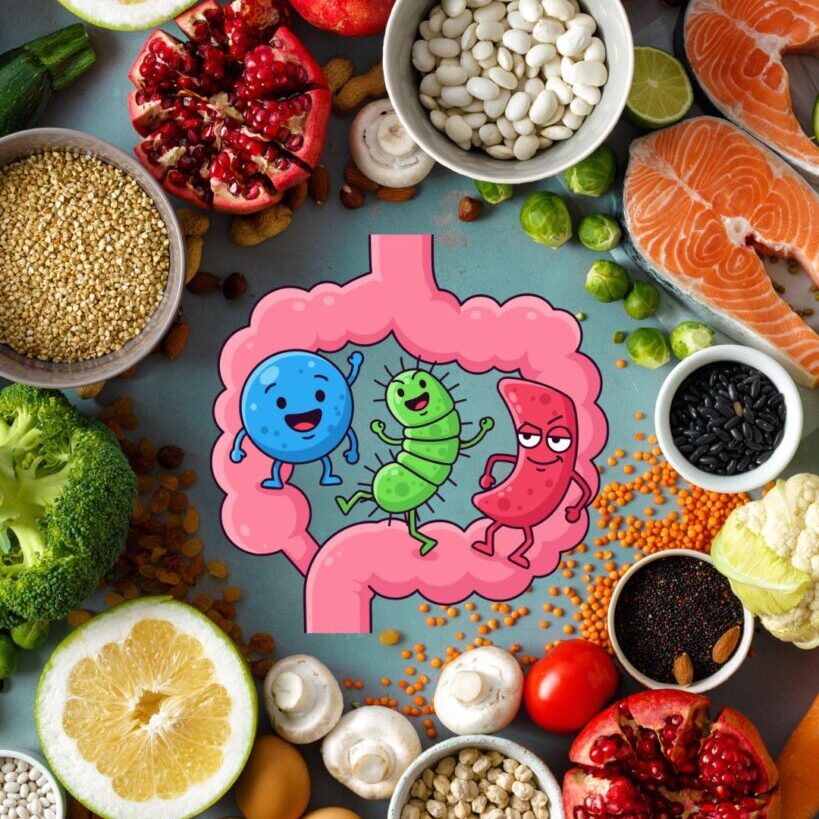
I’ve been a dietitian for almost 20 years, and if there’s one thing we haven’t come close to solving in this country over that timeframe, it’s weight loss.
Time and time again we get quick-fix schemes that show promise, but they never produce the long-term, sustainable results people are actually looking for. And they usually require such tremendous amounts of sacrifice and willpower that it simply makes life miserable in the meantime.
The rollout of GLP-1 medications are the first true signs of promise I’ve seen in my career. So far they seem to be allowing people to lose weight by physically altering hormones that reduce cravings and improve blood sugar control.
But as of yet, we don’t know how long people need to stay on these drugs. And we don’t know if the benefits revert if someone stops using the drug.
The Root Cause of Weight Management Problems
What I do know is that our guts should be making GLP-1 hormones on their own, but for some reason they are not. And as a practitioner who likes to dig for root cause rather than a band-aid approach, I think we have a clear sign here.
Our guts are broken. Our digestive processes are not functioning as they should. And while adding GLP-1 hormones can help, will it ever fix the root issue?
What I don’t see being talked about is this: What if we spent time focusing on how to help our bodies make GLP-1, as they normally should, within the gut? Could that be the long-term ticket to weight management, whether a person is using a weight loss medication or not?
The Path to Sustainable Weight Loss
If you are someone who has struggled with weight for many years and you are tired of the rat race, please read these ideas for a new perspective and, hopefully, a breath of fresh air.
But before we focus on the gut, first consider these tips to help reframe the process:
- No more dieting. No more counting calories. A healthy gut needs regular, balanced meals, not excessive calorie reductions and “diet” foods.
- Honor your body. It is not broken, it just needs love, care and support. Nourishment, not restriction.
- Be mindful. Nutrition is not something we can offload to an app or meal service. Learn and be involved in your nutrition journey. And if you are not ready for that, it’s ok. Just start where you can.
Ok, with that, let’s dive in. My advice is to pick one or two of these to work on for the next couple months.
Don’t overdo it. Start small and build up. Every new change you make is another key piece to strengthening your gut and digestion.
Just remember, weight loss is not the goal right now. We are simply giving our gut the tools it needs to balance, heal, and hopefully, regain normal hormone production that over time can improve satiety, bolster the immune system, even out our mood, balance blood sugar, and so much more. Weight loss will come if you trust the process.
Top Gut-Supportive Tips to Help with Long-Term Weight Loss
1. Eat More Fiber
You already know this I’m sure, but why fiber?
Fiber is the #1 way we feed our gut! There was a doctor I listened to recently who summed it up brilliantly like this: Think of it as eating for two. Every food you eat that has fiber you share with your gut bacteria. There’s always a portion of the fiber and calories that go straight to feeding your gut. So go heavy on the fiber! It’s hard to overdo it, and your gut needs it!
Want ideas? Simply Google for a list of high-fiber foods online, or sit down with a dietitian like myself and we can come up with customized lists and meal ideas to get you options that are convenient and taste good. Because while lists are easy, it’s coming up with practical solutions that you will follow that makes all the difference.
Need a specific goal? Aim for at least 20-25g of fiber per day. Rather than use an app to track and get caught up in all the numbers, simply keep a running tally in a notebook or Word document and see how you do.
2. Eat From the Rainbow
Another classic. Eat color. You’ve heard it before. But if the recommendation hasn’t stuck, let me tell you why eating color is so vital for your gut.
Just like our gut bacteria love fiber, did you know they l-o-v-e antioxidants (aka polyphenols) as well? Like super love them. They can actually take the antioxidants found in the colorful skins of foods we eat and turn them into secondary products that are arguably even more healthy for us. And we can only get these super special compounds by eating foods with color!
What foods have color? Basically all plant foods are fair game. Think fruits, vegetables, nuts and seeds, legumes, and even unrefined whole grains. All of these foods offer unique polyphenols that strengthen our gut and help us fight off inflammation and disease.
Need practical ideas? The American Heart Association has a great page of resources that can help!
3. Increase the Variety of Foods You Eat
Not only is fiber and color important, but increasing the diversity of foods you eat increases the types of fibers, polyphenols and other key nutrients that your gut has access to.
And studies have shown that the more diverse the diet, the more diverse the microbiome.
Love to eat the same foods every day? It’s time to get out of that rut. Start by adding one new food per week. Before you know it, you will be rotating several new foods, meals and recipes throughout the month.
And if you feel up for it, try the 30 Food Challenge. Aim to eat at least 30 different plant foods in a week. Each food counts only once, so the goal is to add a lot of variety to hit that number.
This lentil soup recipe we posted on the blog can give you a big head start towards that total!
4. Emphasize Protein PLUS Fiber
Protein is still all the rage, and I’m not saying it’s a bad thing. We do need protein. But don’t go so crazy that you overlook the fiber.
Protein actually needs a healthy and diverse microbiome to digest properly, so if anyone tells you shun fruit and whole grains in favor of chugging protein shakes … run.
Studies show that protein and fiber work in tandem, so prioritize both to optimize gut health and help regulate your body’s own GLP-1 production.
5. Reduce Chronic Inflammation
Living a lifestyle that promotes inflammation can actually negatively impact the gut, and that can alter hormones and our ability to manage weight. That’s likely why for some people, cutting calories just doesn’t work. There’s something preventing weight loss … and it might be inflammation.
How to fight inflammation? This is a big topic, but here are a few quick tips:
- Eat foods that fight inflammation: All plant foods help, and especially omega 3 rich foods such as fatty fish. And don’t forget spices, which are chocked full of anti-inflammatory compounds.
- Avoids foods and beverages that trigger inflammation: Sugar, alcohol, excessive saturated fats, and highly processed foods.
- De-stress: Stress ramps up inflammation, so reduce the stress within your control. Consider seeking help if chronic stress is something you can’t resolve on your own.
- Sleep: Lack of sleep can drive up inflammation. Aim for at least 7 hours per night (more if possible), and talk with a sleep specialist if problems with sleep are consistent or worsening (perimenopause women, I’m especially looking at you!).
- Exercise: Even just a 20-minute stroll can help!
- Supplements: I’m not a big supplement pusher, but some of them can offer anti-inflammatory support when needed. Turmeric (curcumin), fish oil, vitamin D, ginger and quercetin are just a few examples. Talk with a healthcare practitioner before starting any new supplements!
Fighting inflammation is no easy task, but consider tackling a few of these that are within your control. Couple that with some of the diet ideas above, and with time your gut will thank you.
Final Thoughts
So there you have it, 5 ways to support your gut so that maybe … possibly … theoretically … you could help your body make its own GLP-1 again and eventually lose weight – naturally.
It’s certainly not a quick-fix solution for weight loss and it’s a plan that takes time — months or even years, but these are all healthy habits that not only target your digestion and hormones but also support your heart, skin, immune system, bones and even your mental health.
Believe me, I understand the desire to lose weight and frustration from not seeing results. But just remember — nourishment, not restriction. Restriction can offer some temporary weight loss, but it breaks your body down in the process. And then you are eventually back to square one, with an even larger hurdle to surmount and a worse mental state to boot.
Now is the time. Don’t let another year go by wasted on diets and calorie-counting. Try any of these five ideas to optimize your gut and let me know how it goes!
And if you need support on this journey or some clear direction, please reach out! I would love to help customize this process for you and cheer on your success!
Let’s say it together once and for all – NO MORE DIETS!
